Numbers alone don't tell the full story; units matter just as much. This guide covers circle area unit conversion, showing how to move between square inches, square feet, square meters, and more accurately.
What Units Are Used to Measure Circle Area?
Circle area uses square units exclusively, like square inches, square feet, square centimeters, or square meters. These units reflect the two-dimensional nature of area, unlike simple length measurements used elsewhere.
Choosing the right area measurement unit depends on scale and region. Small objects use square inches or square centimeters; larger spaces use square feet, square meters, acres, or hectares instead.
How Square Units Differ From Linear Units
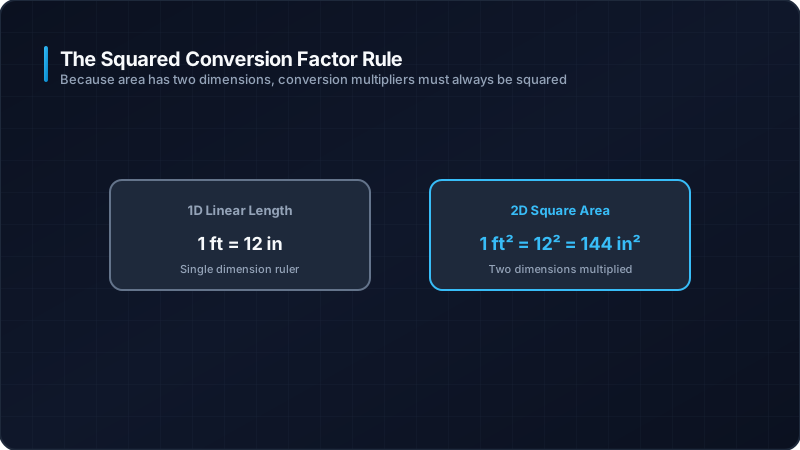
A linear unit like an inch measures one dimension. A square unit like a square inch measures two dimensions multiplied together. This square units distinction matters enormously during any area conversion process.
Converting length simply multiplies by a conversion factor once. Converting circle area, however, requires squaring that same conversion factor, since two dimensions are being scaled simultaneously rather than just one alone.
How to Convert Square Inches to Square Feet
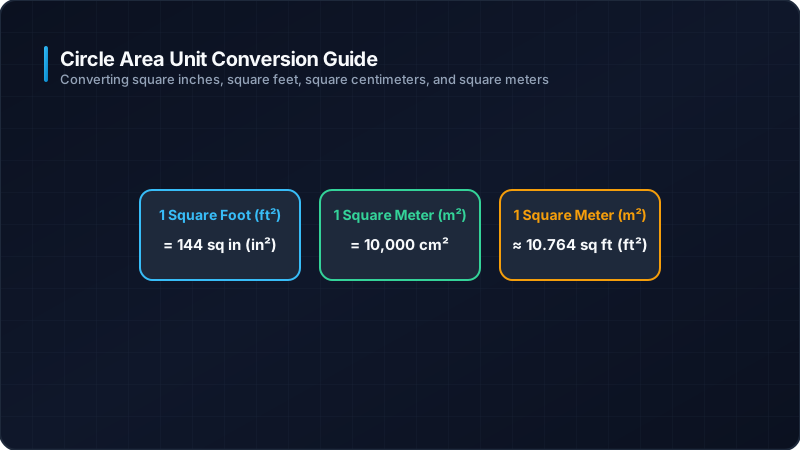
Since 1 foot equals 12 inches, 1 square foot equals 144 square inches (12 squared). To convert square inches to square feet, divide your area value by 144 for the correct result.
For 288 square inches, divide by 144 to get exactly 2 square feet. This square inch conversion process relies on squaring the original 12-inch conversion factor before dividing accurately.
How to Convert Square Centimeters to Square Meters
Since 1 meter equals 100 centimeters, 1 square meter equals 10,000 square centimeters (100 squared). To convert square centimeters to square meters, divide your area value by 10,000 for the answer.
For 25,000 square centimeters, divide by 10,000 to get 2.5 square meters. This square centimeter conversion follows the same squared-factor logic used throughout every metric area conversion calculation.
How to Convert Between Metric and Imperial Area Units
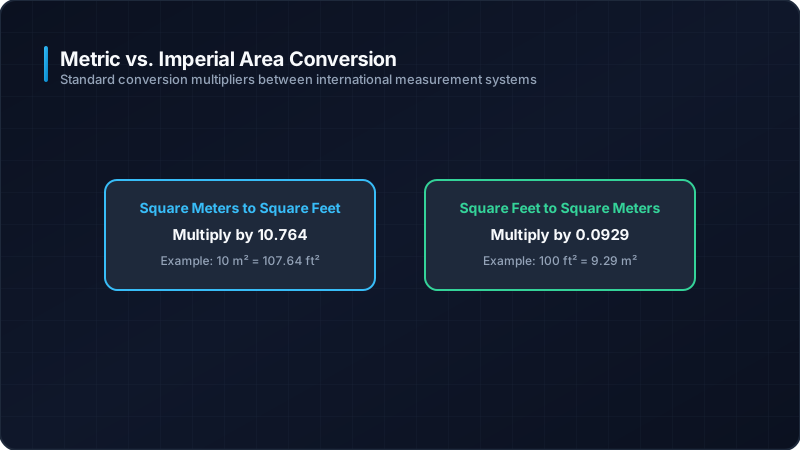
Converting square meters to square feet uses a factor of roughly 10.764, since 1 meter equals about 3.281 feet, squared. This metric area conversion to imperial area conversion bridges two measurement systems.
| From Unit | To Unit | Conversion Multiplier |
|---|---|---|
| Square meters (m²) | Square feet (ft²) | Multiply by 10.764 |
| Square feet (ft²) | Square meters (m²) | Multiply by 0.0929 |
| Acres | Square feet (ft²) | Multiply by 43,560 |
How to Round Converted Circle Areas Correctly
After converting, round to a sensible number of decimal places, typically two for most practical purposes. Excessive precision in a circle area converter result often implies false accuracy the original measurement lacked.
This area conversion practice habit keeps final answers realistic and usable. A calculated circle area in square feet result carrying eight decimal places rarely reflects genuine, meaningful measurement precision in real situations.
Why Area Conversion Requires Squaring the Length Conversion
Since circle area involves two dimensions multiplied together, any length versus area conversion factor must be squared before applying it. This squared conversion factor rule applies universally across every unit pair.
Forgetting to square the conversion factor is the single most common area conversion problems mistake. Always pause and confirm whether you're converting a length or an area unit converter value first.
How to Convert Circle Area Without Recalculating the Radius
Rather than converting radius measurement units first and recalculating area from scratch, it's often faster to calculate area once, then apply the squared conversion factor directly to that existing circular area units result.
This convert circle area without recalculating shortcut saves time on multi-step problems. Both approaches produce identical answers, but skipping the radius re-conversion reduces the total number of calculation steps needed.
How to Avoid Unit Conversion Errors in Circle Problems
Always label units clearly throughout every step. Mixing imperial square units with metric square units mid-calculation creates errors that are difficult to catch later. This unit conversion mistakes habit deserves real discipline.
Double-checking whether a circle area worksheet expects SI area units or US customary area units before starting prevents wasted effort. This small habit saves considerable frustration during longer conversion-heavy assignments.
Conclusion: How to Convert Circle Area Units Correctly
Circle area unit conversion always requires squaring the length conversion factor first. Whether moving between metric and imperial systems or simply switching square units, this area conversion formula approach stays reliable and consistent.