
Every circle hides a simple secret inside its width. Once you know diameter of circle, finding its full space becomes remarkably easy. This guide walks through how to calculate circle area from diameter, step by step, using clear examples anyone can follow confidently.
What Is the Diameter of a Circle?
The diameter of circle stretches straight across, passing through the exact center point. It represents the widest possible line inside any circular shape. Understanding this diameter measurement is the starting point for every circle area formula calculation ahead.
Picture a pizza sliced perfectly in half. That cut edge shows the diameter, running from one side to the other. This simple visual makes circle geometry far less abstract, especially for beginners just learning circular dimensions for the first time.
How Diameter and Radius Are Related
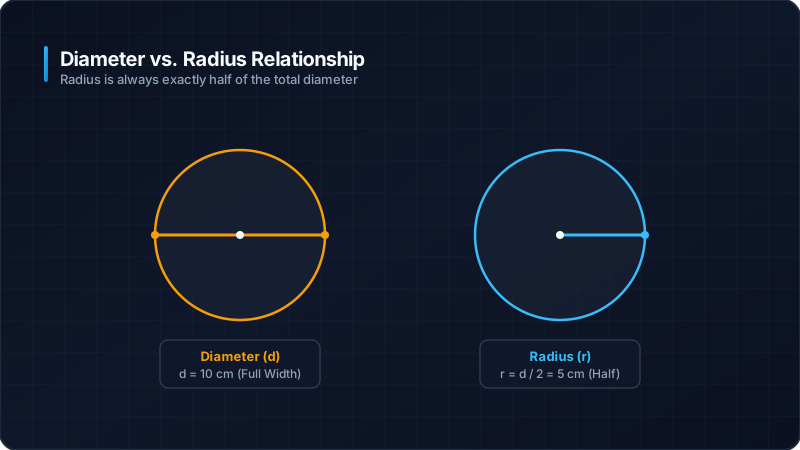
Radius from diameter is always exactly half the total width. If diameter equals 10, radius equals 5. This diameter radius relationship stays constant across every circle, regardless of overall size or scale.
Understanding this ratio unlocks the entire circle area formula. Since most formulas rely on radius squared, not diameter directly, converting first becomes an essential habit. Skipping this step is one of the most common circle calculation errors students make.
How to Convert Diameter Into Radius
Convert diameter to radius using simple division. Take your diameter measurement, divide by two, and your radius formula result appears instantly. This quick radius calculation step takes only seconds once practiced regularly.
For a diameter of 12, dividing by two gives a radius of 6. This diameter to radius calculation applies whether working with whole numbers, decimals, or fractions, making it a universally reliable first step every time.
How to Apply the Circle Area Formula Using Diameter
The circle area formula is A = πr². Since radius equals diameter divided by 2, you can also write area as pi times diameter squared, divided by four. This diameter formula version skips an extra step.
A = π(5.00)² = 78.54 shows this in action, where r = 5.00 represents the distance from center to edge. Doubling r would quadruple the resulting area, showing how quickly circular area expands as radius grows.
How to Solve Circle Area Examples From Diameter
Try a diameter of 10. First, convert diameter to radius, getting 5. Then square it: 25. Multiply by pi: roughly 78.5 square units. This circle area example shows the full circle area calculation method clearly.
| Diameter Example | Radius (d ÷ 2) | Area (π × r²) |
|---|---|---|
| 10 cm diameter circle | 5 cm | 78.5 cm² |
| 20 cm diameter circle | 10 cm | 314.2 cm² |
| 5 cm diameter circle | 2.5 cm | 19.6 cm² |
How to Check Your Area Calculation
Always verify by reversing your steps. Take your final circular area, divide by pi, then find the square root. This should return your original radius measurement, confirming accuracy throughout the entire process.
This circle area computation check catches simple mistakes fast. Rounding errors are common with diameter area calculator work, so double-checking with this reverse method builds confidence before submitting any final geometry formula answer.
How Diameter Changes the Area of a Circle
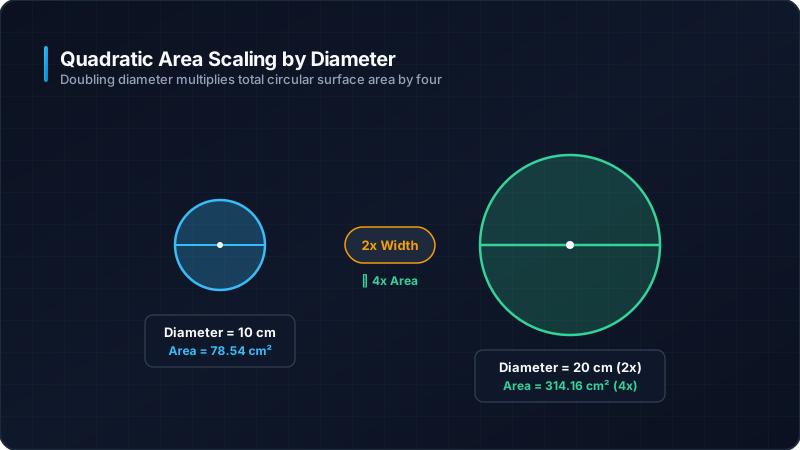
Area doesn't grow at the same pace as diameter. Doubling the diameter of circle actually quadruples the resulting circular area, since radius gets squared within the formula. This surprises many circle geometry beginners initially.
This diameter squared relationship explains why small increases in width create dramatically larger interior spaces. Understanding this circle properties pattern helps with real-world estimation, like comparing pizza sizes or garden plot planning accurately.
How to Handle Diameter Measurements in Fractions and Decimals
Diameter practice problems often include messy numbers like 7.5 or 3¾ inches. Convert fractions to decimals first, then proceed normally through the diameter formula. This keeps circle area worksheet calculations consistent and manageable.
For a diameter of 7.5, radius becomes 3.75. Squaring gives 14.06, multiplied by pi gives roughly 44.18 square units. This circle area exercises approach works identically regardless of whether numbers are whole or fractional.
What Common Mistakes Occur When Using Diameter Instead of Radius?
The most frequent mistake skips converting diameter to radius entirely, plugging diameter straight into the radius-based formula. This circle calculation error inflates the answer dramatically, often by a factor of four.
Always double-check which circle measurement a problem provides before starting. Confusing diameter in inches with radius measurement ruins otherwise correct circle area questions, so this habit deserves extra attention every single time you begin.
Conclusion: How to Find Circle Area From Diameter
Finding circle area from diameter just needs one extra conversion step before the familiar circle area formula takes over. Practice with real circle area examples, and this diameter to area process becomes fast, natural, and mistake-free.